


New to Running? How to Bulletproof Your Tendons and Reduce the Risk of Overuse Injuries
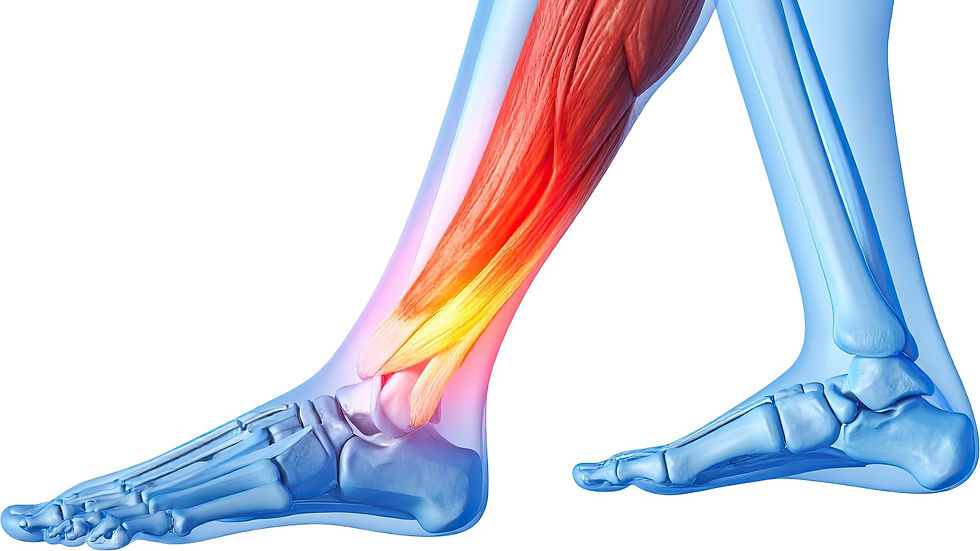
Starting running is one of the best things you can do for your physical and mental health. It improves cardiovascular fitness, bone density, mood, and confidence.
But for many new runners, the excitement of getting started is often followed by frustration: niggles that won’t settle, sore Achilles tendons, painful knees, or a plantar fascia that just won’t behave.
As physiotherapists, we see this pattern often — and the good news is that most running-related overuse injuries are not inevitable. With the right approach, your tendons can adapt, strengthen, and become more resilient over time.
This article explains, in plain English:
Why tendons are often the limiting factor for new runners
What “bulletproofing” tendons actually means
Practical, evidence-based strategies to reduce the risk of tendinopathy
When physiotherapy can help guide you safely
Our overall aim? To help you run confidently, consistently, and without fear.
Why New Runners Commonly Develop Tendon Pain
Muscles adapt relatively quickly to training. Tendons don’t.
Tendons (such as the Achilles tendon or patellar tendon) are designed to store and release energy like a spring. Running places repeated load through these tissues — often thousands of times in a single session.
For new runners, problems usually arise when:
Running volume increases too quickly
Intensity jumps suddenly (speed work, hills)
The tendon hasn’t had time to adapt to load
Strength capacity doesn’t match running demands
Research consistently shows that tendinopathy is not caused by “damage” or inflammation, but by a mismatch between load and tissue capacity over time.
What Does “Bulletproofing Tendons” Actually Mean?
Bulletproofing doesn’t mean making tendons invincible.
It means gradually improving their capacity to tolerate load, so everyday training no longer exceeds what they can handle.
In clinical practice, this usually involves:
Smart load management
Progressive strength training
Respecting recovery time
Avoiding sudden spikes in training
As tendon researcher and physiotherapist Tom Goom often emphasises, tendons respond best to consistent, appropriate loading — not rest alone, and not overload.
Load Management: The Most Important (and Most Missed) Factor
If there is one concept new runners should understand, it’s this:
Tendons don’t respond well to sudden change.
Common load mistakes we see:
Going from no running to running 4–5 days per week
Adding speed sessions too early
Increasing distance and intensity at the same time
Returning too quickly after time off
Practical load guidelines for new runners
Increase weekly running volume gradually (often ~10% or less)
Change one variable at a time (distance or speed, not both)
Allow at least 48 hours between harder sessions
Expect mild, short-lived soreness — but not worsening pain
Pain that settles within 24 hours and doesn’t progressively worsen is often acceptable. Pain that escalates week to week is a sign the tendon isn’t coping.
Why Strength Training Is Essential for Tendon Health
Running alone is not enough to fully prepare tendons for running loads.
Strength training improves:
Tendon stiffness (important for energy storage)
Load tolerance
Force absorption
Movement efficiency
This doesn’t mean complicated gym programs. For runners, the biggest return usually comes from focusing on:
Key areas to strengthen
Calves (gastrocnemius & soleus) – Achilles protection
Quads – patellar tendon and knee load
Glutes & hips – load control and stride efficiency
Hamstrings – late-stance running mechanics
Evidence supports heavy slow resistance training and progressive loading as effective tools for both preventing and managing tendon pain.
Tendons Like Consistency — Not Random Training
One of the most common myths we hear is:
“I’ll just rest until it settles.”
While short-term load reduction can help calm symptoms, complete rest often reduces tendon capacity further.
Tendons adapt best when:
Load is consistent
Progressions are planned
Strength work is maintained even when running volume drops
This is why many runners develop recurring tendinopathy — the tendon never fully regains capacity before running is resumed at previous levels.
Common Myths That Increase Tendon Injury Risk
❌ “Stretching will fix my tendon pain”
Stretching can feel relieving, but it doesn’t increase tendon capacity. Strength does.
❌ “Pain means I’m damaging the tendon”
Pain does not equal damage. Tendon pain is often related to sensitivity and load tolerance, not tissue tearing.
❌ “If I stop running, it will heal”
Tendons usually need guided loading, not avoidance.
❌ “New shoes will fix it”
Footwear can influence load, but shoes alone rarely solve tendon issues without addressing strength and training load.
The Role of Running Technique (Without Overthinking It)
Running form matters — but it’s rarely the first thing we change.
Subtle adjustments (cadence, over-striding, hill exposure) can influence tendon load, but changes should be:
Minimal
Gradual
Based on the runner’s goals and history
Large technique overhauls can actually increase injury risk if introduced too quickly.
When Physiotherapy Can Help
Physiotherapy is particularly useful if:
Pain persists for more than 2–3 weeks
Symptoms worsen despite reducing load
You’ve had recurrent tendon issues
You’re unsure how to progress safely
At Body Fit Physiotherapy, we:
Listen carefully to your running history and goals
Assess strength, capacity, and movement patterns
Help you plan how to keep running while rebuilding tendon capacity
Guide load progression with confidence rather than fear
Care is individualised — not protocol-driven.
When to Seek Help Early
You don’t need to wait until pain becomes severe.
Early support is recommended if:
Morning stiffness is increasing
Pain is lingering longer after runs
You’re modifying your stride to avoid discomfort
Training feels less confident or enjoyable
Early guidance often means less time off running, not more.
Key Takeaways for New Runners
Tendons adapt slower than muscles — patience matters
Sudden load changes are the biggest risk factor
Strength training is essential, not optional
Pain doesn’t automatically mean damage
Consistency beats intensity
Most importantly: running should build confidence, not anxiety.
A Gentle Final Word
If you’re new to running and want to build durability from the start — or if you’re dealing with early tendon symptoms — a physiotherapist can help guide the next steps.
At Body Fit Physiotherapy, we’re always happy to support runners in finding a sustainable, evidence-based path forward so they can keep doing what they love.
Comments