


My Child Has Heel Pain — Is It Just Growing Pains?
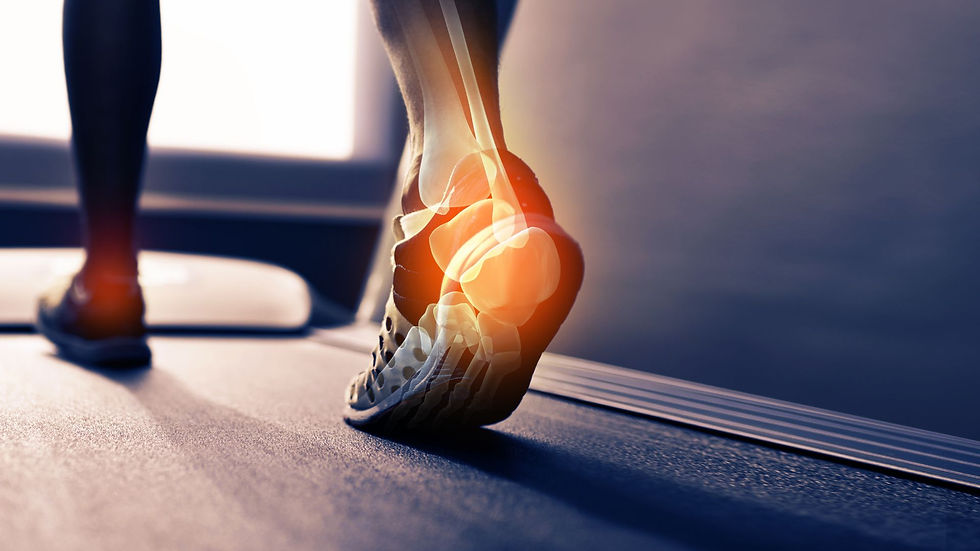
Heel pain in children is common, particularly in active kids — but it’s often misunderstood.
Many parents are told, or assume, that heel pain is “just growing pains” and something their child will grow out of. While growth plays a role in some conditions, persistent heel pain is not something that should simply be ignored.
The good news is that most causes of heel pain in children are treatable, especially when identified early and managed appropriately.
This article explains:
What growing pains really are (and aren’t)
The most common causes of heel pain in children
Key signs and symptoms of each condition
What you can do at home
Why correct diagnosis and rehabilitation matter
Our goal is to help you feel informed, reassured, and confident in supporting your child’s recovery.
First — what are “growing pains”?
Despite the name, growing pains are not actually caused by growth plates or bone growth.
Classic growing pains:
Occur in both legs (often calves or thighs)
Are more common in the evening or at night
Do not cause pain during sport or activity
Do not cause limping
Are not localised to one specific spot like the heel
👉 Heel pain that is activity-related, localised, or causes limping is unlikely to be simple growing pains.
Common causes of heel pain in children
1. Sever’s disease (calcaneal apophysitis)
The most common cause of heel pain in children
What it is:Sever’s disease occurs when the growth plate at the back of the heel becomes irritated. It’s most common during growth spurts, particularly in active children aged 8–14.
Signs and symptoms:
Pain at the back or underside of the heel
Worse with running, jumping, or sport
Limping after activity
Pain improves with rest
Often affects one heel, but can be both
Common contributing factors:
Rapid growth
High sports load (football, soccer, netball, basketball)
Tight calves
Sudden increase in training
Poor load management
Despite the name, Sever’s disease is not permanent damage — but it does need the right management.
2. Achilles tendon overload
What it is:In some children, the Achilles tendon becomes overloaded, particularly if they’re training frequently or have tight calf muscles.
Signs and symptoms:
Pain at the back of the heel or just above it
Stiffness in the morning
Pain that worsens with repeated activity
Tenderness along the tendon
This condition is less common than Sever’s but can occur alongside it.
3. Plantar heel pain (plantar fascia irritation)
What it is:Irritation of the tissue on the underside of the foot that supports the arch.
Signs and symptoms:
Pain under the heel, closer to the arch
Pain with first steps after rest
Discomfort during or after activity
May worsen with barefoot walking
While more common in adults, it can occur in children — especially those involved in running and jumping sports.
4. Stress-related bone injury (less common, but important)
What it is:Repetitive load can sometimes lead to stress reactions in the heel bone.
Signs and symptoms:
Pain that progressively worsens
Pain that doesn’t settle with rest
Pain even during walking
Limping that persists
This requires prompt assessment to avoid worsening injury.
5. Other less common causes
Inflammatory conditions
Nerve-related pain
Infection (rare, but serious)
Trauma or fracture
Persistent pain, swelling, redness, or night pain should always be assessed.
What can you do if your child has heel pain?
1. Reduce aggravating load (not all activity)
Complete rest is rarely needed, but:
Reduce high-impact activities (running, jumping)
Modify training volume or frequency
Allow pain to settle between sessions
The goal is load management, not immobilisation.
2. Address calf flexibility and strength
Tight or weak calves increase load on the heel.
Helpful strategies may include:
Gentle calf stretching
Progressive calf strengthening
Age-appropriate exercises
This should always be matched to your child’s age and activity level.
3. Check footwear
Shoes should:
Provide good heel cushioning
Fit well (not too small)
Be appropriate for the sport
Worn-out or unsupportive footwear can worsen symptoms.
4. Avoid pushing through pain
Pain is information — not something to ignore.
Encouraging children to “push through” heel pain often:
Prolongs symptoms
Increases frustration
Delays return to sport
Why correct diagnosis matters
While many heel pain conditions look similar, management can differ significantly.
Without the right diagnosis:
Load may be reduced too much or not enough
Exercises may be inappropriate
Pain may linger for months
Children may lose confidence in movement or sport
Correct diagnosis allows:
Targeted rehabilitation
Clear activity guidelines
Faster and safer return to sport
Reduced recurrence risk
The importance of a structured rehabilitation plan
Rehabilitation isn’t just about settling pain — it’s about:
Gradually restoring load tolerance
Supporting growth and development
Teaching the body to handle sport demands
Preventing recurrence during future growth spurts
At Body Fit Physiotherapy, we take time to:
Understand your child’s sport, training load, and goals
Assess movement, strength, and flexibility
Guide parents on what’s safe — and what’s not
Build confidence, not fear, around activity
When should you seek help?
It’s a good idea to see a physiotherapist if:
Heel pain lasts more than 1–2 weeks
Your child is limping
Pain limits sport participation
Symptoms worsen with activity
Pain doesn’t settle with simple load modification
Early assessment often means shorter recovery times and less disruption to sport and school.
A reassuring takeaway
Heel pain in children is common — and in most cases, very manageable.
It’s rarely “just growing pains”, but it also rarely means something serious when addressed early. With the right diagnosis, sensible load management, and an age-appropriate rehab plan, most children return to full activity confidently and safely.
How Body Fit Physiotherapy can help
At Body Fit Physiotherapy, we regularly work with children and families to manage heel pain through:
Thorough assessment
Clear explanations in plain English
Individualised rehabilitation
Collaboration with parents, coaches, and GPs when needed
If your child has heel pain and you’re unsure what’s going on, we’re always happy to help guide the next steps — so they can get back to being happy, active kids.
Comments